
When life feels uncertain and the markets swing like a pendulum, many people start looking for something steady — something real. That’s where precious metals come in. Investing in gold and silver isn’t just for the wealthy or collectors; it’s a timeless way to protect your hard-earned money, balance your portfolio, and find peace of mind in a world that never stops changing.
Best Precious Metals Companies of 2026
- Augusta Precious Metals: Best Precious Metals IRA Company Overall (4.9/5)
- American Hartford Gold: Best for First-Time Investors & Customer Service (4.8/5)
- Goldco: Best All-Around Precious Metals IRA Provider (4.8/5)
- Birch Gold Group: Best for Investor Education & Transparency (4.7/5)
1. Augusta Precious Metals: Best Precious Metals IRA Company Overall (4.9/5)
Augusta Precious Metals specializes exclusively in gold and silver IRAs, with a strong emphasis on investor education, transparency, and long-term retirement planning. It is widely regarded as a top-tier provider for high-net-worth investors seeking stability and personalized support.
- Precious Metal Offerings: Gold and silver coins and bullion
- Minimum Investment Fee: ~$50,000
- Misc. Fees: One-time setup ~$50; annual admin ~$80–$125; storage ~$100–$150
- BBB Rating: A+
- BCA Rating: AAA
- Trustpilot Rating: ~4.8–4.9/5
Pros
- Industry-leading education and client support
- Strong transparency and no hidden fees
- Excellent reputation and consumer ratings
- Lifetime customer service and buyback program
Cons
- High minimum investment requirement
- Limited to gold and silver only
2. American Hartford Gold: Best for First-Time Investors & Customer Service (4.8/5)
American Hartford Gold is known for its accessibility, strong customer service, and flexible precious metals offerings. It caters well to first-time investors while still supporting experienced buyers through IRAs and direct purchases.
- Precious Metal Offerings: Gold, silver, platinum, and palladium
- Minimum Investment Fee: ~$10,000 (IRA)
- Misc. Fees: Annual custodian ~$75–$125; storage ~$100; promotions may offset first-year costs
- BBB Rating: A+
- BCA Rating: AAA
- Trustpilot Rating: ~4.7–4.9/5
Pros
- Lower minimums compared to competitors
- Wide selection of metals
- Strong customer service reputation
- Competitive pricing and promotions
Cons
- Some fees require direct confirmation
- Promotions may vary by account size
3. Goldco: Best All-Around Precious Metals IRA Provider (4.8/5)
Goldco is a well-established precious metals IRA company offering streamlined rollovers and strong customer satisfaction. It is frequently recommended for investors seeking a balance of service, flexibility, and reliability.
- Precious Metal Offerings: Gold and silver coins and bullion
- Minimum Investment Fee: ~$25,000 (may vary)
- Misc. Fees: Setup often $0; annual admin and storage ~$180
- BBB Rating: A+
- BCA Rating: AAA
- Trustpilot Rating: ~4.8/5
Pros
- Excellent IRA rollover support
- High customer satisfaction ratings
- Buyback program available
- Clear, straightforward process
Cons
- Limited metal variety
- Storage costs depend on depository
4. Birch Gold Group: Best for Investor Education & Transparency (4.7/5)
Birch Gold Group focuses heavily on educating investors while offering a diverse range of precious metals. The company supports both IRA and direct purchases and is well-suited for investors who value guidance and clarity.
- Precious Metal Offerings: Gold, silver, platinum, and palladium
- Minimum Investment Fee: ~$10,000
- Misc. Fees: Annual admin and storage ~$180–$200
- BBB Rating: A+
- BCA Rating: AAA
- Trustpilot Rating: ~4.6/5
Pros
- Broad range of metals
- Strong educational resources
- Transparent investment process
- Long-standing industry presence
Cons
- Fees slightly higher than some competitors
- Fewer promotional incentives
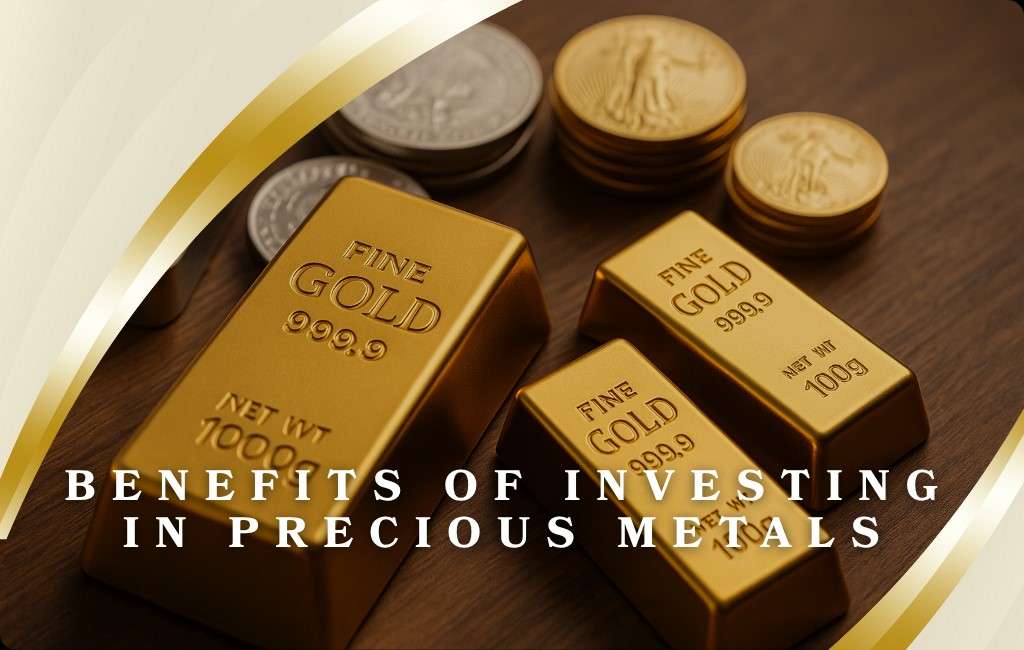
Benefits of Investing in Precious Metals
When you want to give your savings more than just a shot at growth — when you want something tangible, something you can feel good about — turning toward precious metals becomes a natural idea. Investing in gold and silver lets you hold something real, take control, and build alongside the ups and downs of the world instead of being at the mercy of them.
Protection Against Inflation
When everyday prices creep up and the value of paper money shrinks, owning real metals helps. Because precious metals like gold and silver don’t rely on any one government or bank, they often hold value while currencies falter.
When you choose to invest in gold or silver, you’re giving your investment portfolio a layer of defense. Your assets aren’t just wrapped up in stocks and bonds — they also include something that can stand up when inflation bites.
Diversification of Your Investment Portfolio
Mixing up your assets is like not putting all your eggs in one basket. Including precious metals alongside stocks, bonds, and other holdings means you spread risk and improve your chances of smoother performance over time.
By choosing to invest in precious metals, you enhance your portfolio so that when one asset class is shaky, another might hold stronger.
Tangible Physical Assets You Can Hold
Unlike many investments that exist only in an app or on paper, precious metals offer something you can physically possess — coins, bars, or bullion. That kind of ownership feels grounding and reassuring.
When you buy physical gold or silver, you’re getting an asset with real presence. It adds emotional comfort to the investment process — this is something you can see, touch, and store securely.
Hedge Against Geopolitical and Market Volatility
When the world’s economy faces shocks or geopolitical events unsettle markets, precious metals often act as a safe haven. They don’t always move in the same direction as stocks and bonds, which helps balance out your risks.
If you’re an investor aware of global tensions or market swings, having metals in your portfolio offers a kind of calm amid the storm.
Liquidity and Recognized Value
Despite being physical, many forms of precious metals maintain solid liquidity — you can buy or sell them with relative ease compared to other hard assets.
And because gold and silver have long histories of trust and recognition, their value is understood across cultures and markets. This makes them universally accepted and easy to trade.
Growth Potential and Limited Supply
Precious metals don’t just sit quietly; they carry growth potential. With limited supply, rising industrial demand (especially for silver), and steady investor interest, metal prices can strengthen over time.
If you consider investing in gold and silver, you’re choosing assets whose value is supported by both scarcity and global demand.
How to Invest in Precious Metals
Getting started with precious metals doesn’t have to be complicated. Whether you’re drawn to the shine of gold coins, the steady value of silver bars, or the balance metals bring to your portfolio, the process is straightforward once you know the basics.
- Decide Why You’re Investing — Clarify your goals first. Are you hoping to hedge against inflation, diversify your investment portfolio, or simply own a tangible asset? Knowing your “why” helps you choose the right metals and strategy.
- Choose the Type of Precious Metal — Gold and silver are the most recognized precious metals, but you can also explore platinum or palladium. Each metal behaves differently in the market, so consider your risk tolerance and growth expectations.
- Pick the Form of Investment — You can buy physical gold and silver such as coins, bars, or bullion for direct ownership, or choose exchange-traded funds (ETFs) and mining stocks if you prefer not to handle storage. Physical metals provide security; paper investments offer liquidity and convenience.
- Find a Reputable Dealer or Platform — Work only with trusted companies that specialize in precious metals. Research their reputation, compare prices, and check for transparency in fees before you buy or sell.
- Decide How Much to Invest — Start with a realistic amount that fits your financial plan. Experts often suggest allocating 5–10% of your portfolio to precious metals, depending on your comfort level and investment goals.
- Plan for Secure Storage — Physical assets require safe keeping. Consider a home safe, bank safety deposit box, or insured storage facility to protect your gold and silver from theft or damage.
- Monitor Market Trends and Metal Prices — Keep an eye on metal prices, global events, and economic indicators that affect demand for gold and silver. The precious metals market can fluctuate, so timing your purchases wisely helps maximize returns.
- Know When to Buy or Sell — Watch for dips in the price of gold or silver to buy, and sell when values rise or your portfolio needs rebalancing. Precious metals are long-term investments, but strategic buying and selling can enhance your returns.
- Stay Informed and Diversify — The best investors stay curious. Learn about different types of metals, mining companies, and new investment opportunities. Diversify your investments to include both physical assets and market-based options.
Final Thoughts
Investing in precious metals is more than just a financial move — it’s a way to bring balance, security, and real value to your future. Gold and silver remind us that even in a fast-changing world, some things hold their worth.
If you’re ready to take the next step, learn how to start investing in precious metals today and discover how they can strengthen your long-term wealth.
Frequently Asked Questions
What are the risks of investing in precious metals?
Like any investment, precious metals come with risks. Prices can fluctuate based on market demand, global events, and interest rates. Metals can also be less liquid than stocks, and physical assets require secure storage and insurance.
Are precious metals better than real estate or stocks?
Not necessarily better — just different. Precious metals often serve as a hedge and store of value, while real estate and stocks are geared toward growth and income. A balanced portfolio might include all three for stability and diversification.
Do I have to pay taxes when I sell my precious metals?
Yes. Precious metals are generally considered capital assets, so profits from selling them are subject to capital gains tax. The rate depends on how long you’ve held the investment and your country’s tax laws.
How can I verify the authenticity of gold or silver?
Buy from reputable dealers who provide certificates of authenticity or assay cards. You can also verify authenticity using professional appraisers, weight tests, or magnet tests — real gold and silver aren’t magnetic.
What’s the difference between numismatic and bullion coins?
Numismatic coins are valued for their rarity, design, or historical significance, while bullion coins are valued mainly for their metal content. Investors typically choose bullion coins for easier pricing and liquidity.
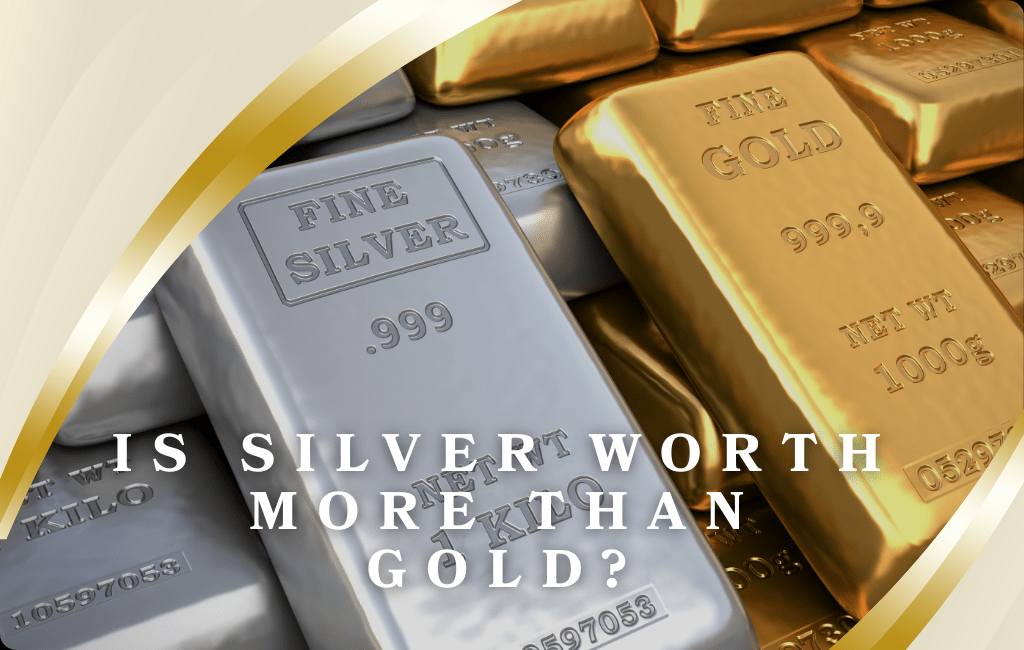
Is it a good idea to invest in silver instead of gold?
It depends on your goals. Silver tends to be more affordable and has wider industrial use, which can drive demand. Gold, on the other hand, is more stable and less volatile. Many investors hold both to balance their portfolio.
How often should I check metal prices?
Check periodically — not obsessively. Metal prices fluctuate daily, but for long-term investors, reviewing trends quarterly or biannually is usually enough to make informed decisions.
Can I store my metals at home safely?
Yes, but make sure to use a high-quality safe that’s bolted down and fire-resistant. For larger investments, consider bank vaults or insured storage facilities for better protection.