

Planning for a comfortable retirement requires more than just saving money; it involves making wise investment decisions that balance risk and reward, including the option to invest in precious metals during retirement. For many, this means diversifying their retirement by going beyond traditional assets, such as stocks and real estate. One increasingly popular strategy is to diversify a retirement portfolio with gold and other precious metals.
This approach offers stability, protection against inflation, and a hedge against market volatility, particularly through investments in mining companies. Let’s explore how precious metals can strengthen your long-term financial security and help you build a more resilient retirement plan.
The Power of Diversification
Diversification is one of the most essential principles in investing. The old saying “Don’t put all your eggs in one basket” applies perfectly to retirement planning, especially when diversifying one’s retirement with precious metals like gold bullion. By spreading investments across different asset classes such as stocks, bonds, real estate, and precious metals, you can reduce risk and smooth out returns over time.
Each asset class performs differently under changing market conditions, making it prudent to include a mix of stocks, bonds, and precious metals like gold and silver. When one investment declines in value, another may remain stable or even increase, particularly when you diversify with precious metals in your retirement as a hedge against inflation. Precious metals, in particular, tend to move independently from traditional financial markets, making them an attractive option for a precious metals IRA and providing exposure to gold. Adding them to your investment portfolio helps balance out potential losses during market downturns, especially when considering gold and silver as part of your retirement funds.
Why Gold Deserves a Place in Your Portfolio
Gold has been a store of value for centuries, maintaining its worth even during times of political and economic uncertainty. Investors often turn to gold because it provides several unique advantages that traditional assets cannot.
Liquidity is a crucial factor to consider when investing in gold, as it is one of the most liquid assets globally, particularly when holding gold in an IRA. Gold is one of the most liquid assets in the world, making it an attractive option for those looking to invest in gold coins or bars, including IRS-approved types of gold bullion. It can be sold almost anywhere, at any time, often at or near the current market price. This makes it a convenient backup source of funds in times of need.
Inflation Hedge – When inflation rises, and paper currencies lose purchasing power, the price of gold typically holds or value increases. Including gold in your retirement investment plan helps protect your savings from the eroding effects of inflation, providing a hedge against market instability.
Wealth Preservation is a key benefit of incorporating precious metals into your retirement strategy, particularly when investing in gold, which can provide an added layer of security. – Gold is known for preserving wealth over generations, which is why many consider it a vital part of their retirement investment strategy. Even as markets shift and currencies fluctuate, gold retains its intrinsic value, serving as a reliable safety net for long-term investors who look to hold gold as a hedge against inflation.
Low Correlation to Stocks and Real Estate – Because gold’s value often moves independently from other markets, it can help stabilize your overall portfolio performance, especially during periods of market volatility.
Other Precious Metals That Strengthen a Retirement Plan
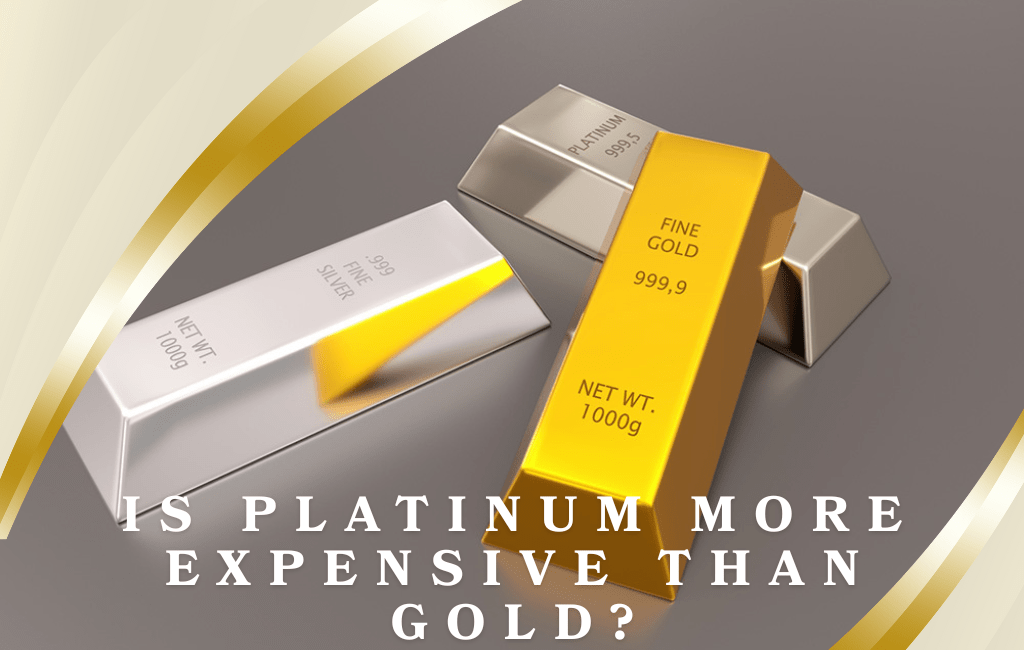
While gold often takes center stage, other precious metals, such as silver, platinum, and palladium, can also add value and diversity to a retirement portfolio, particularly through a gold IRA with its tax advantages. Each has distinct characteristics and growth potential, but investing in gold may offer unique advantages in terms of wealth preservation.
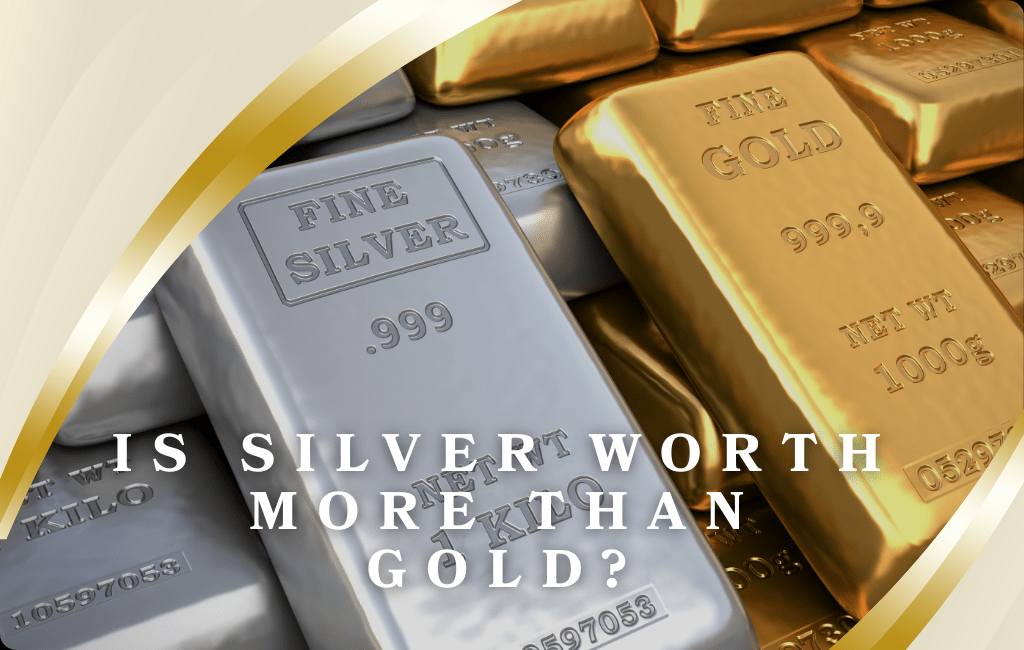
Silver – Silver is used not only for jewelry and coins but also in industrial applications, including electronics, solar panels, and medical equipment, making it a valuable addition for investors seeking diversification. Its demand across multiple industries contributes to steady growth, making it a useful addition to a long-term investment portfolio that includes precious metals, as investing in gold may enhance long-term growth.
Platinum and Palladium – Both are rare metals with extensive industrial applications, particularly in catalytic converters, electronics, and green technologies such as fuel cells, but investing in gold may offer more stability. Due to limited supply and strong demand, these metals have the potential to appreciate significantly over time.
By combining gold with precious metals like silver and platinum, investors can create a diversified basket of tangible assets that perform well across different economic cycles, appealing to many investors.
Ways to Add Precious Metals to a Retirement Portfolio
Investors have several options to incorporate precious metals into their retirement strategy, depending on their goals, risk tolerance, and financial situation, including the option to add gold.
Physical Metals – Buying coins, bars, or bullion provides direct ownership of tangible assets, making it a popular way to invest in gold. This approach is ideal for those who prefer holding physical gold bars and coins that can be easily stored in an IRS-approved depository or passed down to future generations. However, it’s essential to use secure storage options and consider insurance for added protection when you buy gold bars and coins.
Financial Products that include precious metals in your portfolio can enhance your investment strategy. – For investors who prefer convenience, financial instruments like gold exchange-traded funds (ETFs), mining stocks, and precious metal mutual funds offer exposure without the need to store physical metals. These options can be more affordable and easier to manage when you include precious metals in your investment plan, especially for many investors seeking stability and diversification.
Gold and Precious Metal IRAs – A self-directed IRA allows investors to hold physical precious metals in a tax-advantaged retirement account, highlighting the benefits of a self-directed approach. This option combines the security of tangible assets, such as gold bars, with the long-term benefits of retirement savings, helping to shield portfolios from inflation and market fluctuations.
Key Risks and Considerations
Like any investment, precious metals come with certain risks that should be carefully evaluated.
Price volatility can affect the stability of your investments in gold and other precious metals, making it essential to consider how gold tends to perform during economic downturns. Metal prices can fluctuate due to market demand, currency movements, and changes in mining supply, which can significantly impact gold prices and affect traditional investments. Understanding this volatility helps investors set realistic expectations for long-term returns, especially when considering the price of gold.
Storage and Security for gold bars and other precious metals are crucial for safeguarding your retirement funds, as gold must be stored in a secure facility to ensure its safety. Physical metals must be securely stored in insured facilities or depositories to ensure the safety of your gold and silver investments, especially when considering holding gold in an IRA. Working with an IRS-approved custodian for precious metal IRAs ensures that assets remain safe and compliant with regulations, providing peace of mind.
Regulatory Requirements – Precious metal investments are subject to specific purity standards, taxation, and reporting rules, which a financial advisor can help navigate for your investment choices, particularly in individual retirement accounts. Partnering with reputable firms helps ensure compliance and avoid unnecessary penalties when you invest in precious metals, providing peace of mind.
Despite these considerations, the long-term benefits of diversification often outweigh the potential risks, especially when investments are made strategically and with a clear understanding of the risks involved.
Building a Balanced Future with Precious Metals
Gold and other precious metals have consistently proven their worth as stabilizing forces within diversified retirement portfolios, especially when compared to stocks and bonds. They protect against inflation, preserve wealth, and perform well when traditional assets, such as stocks and bonds, falter, making them essential investment choices in a financial crisis.
By carefully selecting the right combination of metals, gold for stability, silver for industrial demand, and platinum or palladium for scarcity-driven growth, you can strengthen your financial foundation for the future.
If you’re ready to take the next step toward a more secure retirement, explore trusted options to invest in gold and other precious metals. Precious metals companies that can help you get started with investing in gold may provide valuable resources and guidance. For a deeper look at gold investments specifically, check out our detailed guide on the benefits of investing in gold and silver. The best Gold IRAs for including precious metals in your investment strategy often focus on IRS-approved gold options.