
Gold has always been seen as a timeless store of value, making it a preferred choice for those looking to invest in a gold IRA or establish a gold IRA, as gold IRAs come with unique benefits. From ancient civilizations to modern investors, gold and precious metals remain one of the most reliable assets in uncertain economic times. For retirement savers, a gold-backed IRA offers a unique way to hold physical gold in your IRA within a tax-advantaged account. But how exactly does it work, and is opening a gold IRA that holds physical assets the right choice for your portfolio, considering the risks of gold IRAs?
This guide breaks down the process of setting up and managing a Gold Backed IRA—from opening the account to taking withdrawals—so you can make an informed decision about whether it fits your retirement goals.
What Is a Gold Backed IRA?
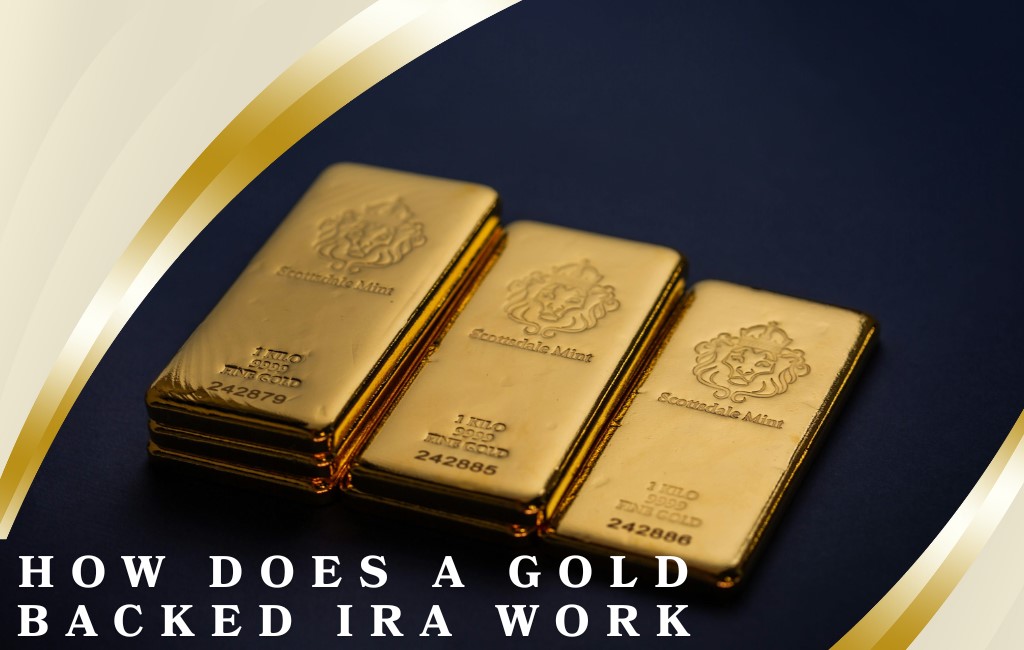
A Gold Backed IRA, sometimes called a precious metals IRA, is a type of self-directed individual retirement account that allows you to own physical gold rather than paper assets like stocks or mutual funds. This means that instead of tracking gold prices through ETFs or mining stocks, your IRA account holds actual bullion stored in an IRS-approved depository.
The IRS sets clear rules on what qualifies as “IRA-approved” gold or other approved precious metals for your IRA. Coins and bars must meet strict purity standards (99.5% or higher), though exceptions like the American Gold Eagle coin are permitted. Storage must also comply with IRS requirements—you can’t keep your physical precious metals at home or in a personal safe deposit box.
This structure allows investors to combine the security of physical assets with the tax advantages of an IRA.
How a Gold Backed IRA Works
A Gold Backed IRA follows a structured process involving four key steps: opening the account, funding it, buying gold in an IRA, and storing it securely.
1. Opening the Account
The first step is choosing a A gold IRA is a self-directed account that allows investors to hold physical gold or other approved precious metals for your IRA. that specializes in alternative assets such as precious metals IRAs. The custodian ensures compliance with IRS rules, manages paperwork, and arranges for safe storage.
You’ll typically choose between three main account types: Roth Gold IRAs, traditional IRAs, and SEP gold IRAs.
- Traditional Gold IRA: This type of IRA is funded with after-tax income, allowing for tax-deferred growth. Contributions are made pre-tax, with taxes due when you withdraw in retirement, similar to traditional gold IRAs, allowing you to contribute to a gold IRA effectively.
- Roth Gold IRA: This type of account allows for tax-free growth, similar to traditional and Roth IRAs, and is a popular choice among investors looking to invest in one. Contributions are made after tax, but qualified withdrawals from a Gold IRA are tax-free, making it an attractive option compared to traditional gold IRAs and Roth gold IRAs.
- SEP Gold IRA: This type of account is designed for self-employed individuals and can include gold as part of the investment portfolio. Ideal for self-employed individuals or small business owners, SEP IRAs offer higher contribution limits, especially with SEP gold IRAs.
Selecting the right custodian is crucial since they’ll oversee every transaction and coordinate with your chosen depository and gold dealer.
2. Funding the Account
Once the gold IRA account is open, it needs to be funded before you can purchase physical gold or other approved precious metals. There are three main ways to invest in gold through gold IRAs: buying gold coins, purchasing physical gold or other approved precious metals, or investing in gold-backed securities, which can include various types of gold.
- Rollover: Move funds from an existing 401(k), 403(b), or TSP plan into your new IRA that holds gold, as gold tends to maintain value during currency declines. You have 60 days to complete the process to fund your gold IRA and avoid taxes or penalties.
- Transfer: The transfer process to a gold IRA must be done carefully to ensure compliance with IRS regulations, especially since gold IRAs follow specific guidelines and the pros and cons of gold must be considered. A direct custodian-to-custodian transfer from another IRA, such as a traditional IRA or Roth IRA, which is often the easiest and safest option.
- Direct Contribution: Add new money to your self-directed IRAs, including traditional and Roth gold IRAs, within the annual contribution limits ($7,000 for 2024, or $8,000 if you’re 50 or older), to fund a gold IRA effectively.
After funding, your custodian will be ready to execute your gold purchase.
3. Purchasing Gold
Next, you’ll buy IRS-approved gold or other precious metals through a precious metals dealer. Your custodian can recommend trusted dealers for physical gold or other approved precious metals for your IRA, but you’re free to choose your own. Once the purchase is made, the custodian pays the dealer directly, and the physical gold must be stored in the approved depository for storage.
Popular IRA-approved products include:
- American Gold Eagle and Gold Buffalo coins are popular choices for those looking to invest in gold in an IRA.
- Canadian Gold Maple Leaf coins
- Gold bars from recognized refiners like PAMP Suisse and Credit Suisse are often recommended by IRA providers for their quality.
The key is to ensure all products meet IRS standards for purity and authenticity.
4. Storing Your Gold
IRS regulations require that your gold coins be stored in an approved depository for both security and compliance. You can usually choose between types of gold when investing in a gold IRA.
- Segregated Storage: This is crucial for physical precious metals, such as gold bullion, held in gold IRAs. Your gold is stored separately, labeled specifically for your account.
- Commingled Storage: This method allows investors to hold gold alongside other assets in a shared facility. Your holdings are stored alongside others’ assets, but ownership is still tracked individually.
Depositories are equipped with advanced security systems, insurance coverage, and regular audits to ensure transparency and safety for your gold and other precious metals, which is essential for gold IRA companies.
Taking Distributions from a Gold IRA
When you reach retirement age, you can begin taking distributions from your Gold IRA, allowing you to access the value of your holding gold. You have two main options: invest in traditional IRAs or open a gold IRA.
- Cash Distribution: This can be a crucial aspect when managing your existing IRA. The custodian sells your gold and transfers the proceeds to you, ensuring that your gold IRA gives you liquidity when needed.
- In-Kind Distribution: This is a feature often associated with gold IRAs that allows investors to hold gold, similar to how traditional IRAs allow for various asset types. You receive the physical gold itself, which may include various types of gold bullion.
Tax treatment depends on the IRA type: traditional IRAs, Roth IRAs, and gold IRAs all have different tax implications when you contribute to a gold IRA.
- Traditional Gold IRA withdrawals are taxed as ordinary income, and you must begin taking Required Minimum Distributions (RMDs) at age 73.
- Roth Gold IRA withdrawals are tax-free if they meet IRS qualifications, and you’re not required to take RMDs during your lifetime.
Pros and Cons of a Gold Backed IRA
Like any investment, a Gold Backed IRA is a self-directed retirement account that has its advantages and trade-offs, which are crucial for understanding gold IRAs.
Pros
- Tangible Asset: Gold and other precious metals are considered tangible assets that can provide stability in your investment portfolio. You own physical gold, not paper claims.
- Diversification: Adding gold to your investment strategy can enhance your portfolio’s resilience, especially in a self-directed IRA that holds various assets. Helps balance stock-heavy portfolios.
- Inflation Hedge: Historically, gold tends to maintain value during currency declines or market turbulence, making it an appealing option for retirement savers.
Cons
- No Passive Income: Investing in gold IRAs can provide a way to generate returns without passive income, but understanding gold IRAs and the types of gold is essential for making informed decisions. Gold doesn’t generate dividends or interest, but its value can appreciate, reflecting the price of gold over time, making it an attractive option for investors to invest in physical gold.
- Higher Costs: Investing in gold IRAs can sometimes involve higher costs compared to traditional IRAs. Custodian, storage, and dealer fees can reduce returns, so it’s important to choose a reliable IRA provider.
- Price Fluctuations: Understanding gold price fluctuations is vital for investors considering gold IRAs and investing in physical gold. Gold prices can move sharply in the short term, affecting your investment in physical precious metals, including gold bullion.
Who Should Consider a Gold Backed IRA?
A Gold IRA is a type of IRA that isn’t for everyone, but it can be a smart option for investors who value stability over aggressive growth, especially when considering the cons of gold IRAs. It’s often a good fit for traditional IRAs and gold IRAs offer unique benefits.
- Those concerned about inflation or the dollar’s long-term value may choose to invest in gold through a gold IRA or even consider a silver IRA.
- Investors looking to diversify away from conventional IRAs may find that gold IRAs work well alongside existing standard IRAs and different types of gold IRAs.
- Retirement savers who prefer holding tangible, secure wealth
Financial planners typically recommend adding gold to your portfolio, keeping it to about 5–10% of your overall retirement portfolio for balanced diversification.
Conclusion
A Gold Backed IRA blends the tax advantages of a retirement account with the time-tested security of physical gold, making it an attractive option for those wanting to invest in a gold IRA. By following the proper steps—choosing a reputable self-directed IRA custodian, ensuring IRS compliance, and understanding storage and fees—you can use gold to hedge against inflation and protect your retirement savings.
If you’re exploring ways to add stability to your retirement plan, consider learning more about trusted gold IRA custodians and comparing their services before investing in one. Taking time to understand how a Gold Backed IRA works can help you build a stronger, more resilient retirement portfolio for the future, particularly if you fund a gold IRA.