
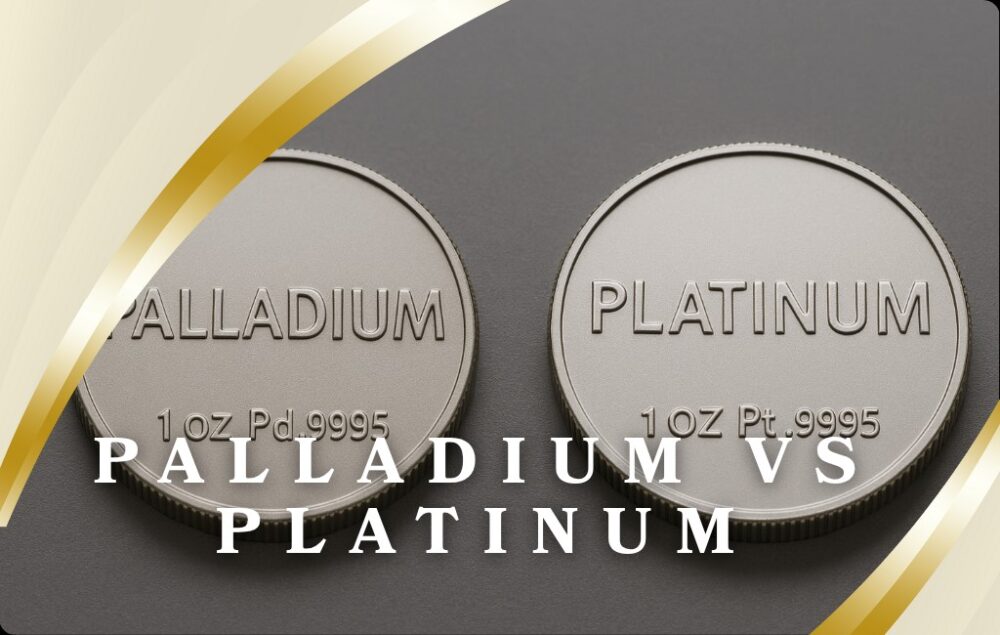
When it comes to investing in precious metals, most people instantly think of gold and silver — but there’s a quiet rivalry that often goes unnoticed: palladium vs platinum. These two naturally white metals share a bright beauty and real value, yet they differ in ways that can shape your investment choices.
Overview on Palladium
Palladium is a rare, naturally white metal from the platinum group that’s prized for its brilliant color, strength, and versatility. Lighter than platinum but harder than gold, it’s often used in jewelry — especially in engagement rings and wedding bands — as well as in catalytic converters and other industrial applications.
Because it’s rarer than platinum and plays a vital role in automotive and technology industries, the price of palladium can fluctuate sharply. Still, many investors see palladium bars and coins as valuable additions to a diversified investment portfolio, offering both beauty and long-term potential.
Overview on Platinum
Platinum is a dense, naturally white precious metal that has long symbolized luxury, strength, and endurance. Heavier and rarer than gold, it’s a top choice for platinum engagement rings, wedding bands, and other fine jewellery because it doesn’t fade or lose its bright white color over time.
Beyond its beauty, platinum is also highly valued in industries — from catalytic converters to medical and electronic applications. The metal’s stability and lasting demand make platinum bars, coins, and other products appealing to investors looking to balance their portfolios with a tangible, enduring asset.
Factors to Consider Between Palladium Vs Platinum
When comparing palladium vs platinum, both metals offer lasting value and beauty — but each brings unique qualities that can influence your decision, whether you’re buying jewellery or investing in bullion. Here are the key factors to consider before choosing between the two.
Appearance and Color
Both palladium and platinum are naturally white metals, unlike white gold which requires rhodium plating. Palladium has a slightly brighter, lighter tone, while platinum offers a richer, cooler white color. Over time, platinum tends to develop a soft patina that many find appealing, whereas palladium maintains its high shine with less maintenance.
Weight and Density
Platinum is denser than palladium, giving it a more substantial feel — a quality many associate with premium jewellery like platinum wedding bands or engagement rings. Palladium, being lighter, offers comfort for rings that are worn daily, making it ideal for those who prefer less weight without compromising on durability.
Hardness and Durability
Palladium is actually harder than platinum, which makes it resistant to scratches and everyday wear. However, platinum’s density means it doesn’t lose metal when scratched; it simply shifts, preserving its mass. Both metals are excellent choices for long-lasting wedding rings and designer jewelry, though the preference often depends on personal feel and lifestyle.
Price and Value
The price of palladium can be volatile due to its industrial demand, particularly in catalytic converters. At times, palladium may even be more expensive than platinum. Platinum prices, while also influenced by global markets, tend to be more stable. Investors often buy platinum for its long-term reliability, while those seeking short-term gains might consider palladium bars or coins.
Availability and Use
Platinum was first used in jewelry centuries ago and remains a symbol of timeless luxury. Palladium, meanwhile, gained popularity more recently as a modern alternative that’s lighter and often half the cost of platinum. Both metals are part of the platinum group metals and are used in jewelry, bullion, and industrial applications — but palladium’s growing role in technology makes it an exciting option for investors.
Investment Potential
Both metals can strengthen an investment portfolio when combined with gold and silver. Platinum products such as coins and bars are recognized globally and easy to trade. Palladium’s rarity and price spikes make it a dynamic, though sometimes unpredictable, investment. Choosing between the two depends on whether you prefer the enduring prestige of platinum or the emerging potential of palladium.
When to Invest in Palladium
Knowing when to invest in palladium can make a big difference in maximizing your returns. Since the metal’s value often depends on global demand and industrial trends, timing your purchase is key. Here are a few moments when investing in palladium might make sense:
- When industrial demand rises: Palladium is heavily used in catalytic converters and electronics. As automotive and tech industries grow, palladium prices often climb.
- When the price dips: Because palladium prices can be volatile, buying during a dip can offer strong potential gains as the market rebounds.
- When diversifying your portfolio: Adding palladium bars or coins alongside gold, silver, and platinum helps spread risk and strengthen your investment portfolio.
- When seeking lighter jewellery options: Palladium rings and wedding bands are ideal if you prefer a durable, naturally white metal that’s lighter than platinum and requires less maintenance.
- When supply tightens: Since palladium is rarer than platinum, reduced mining output or increased demand can drive its price upward — a signal for investors to act early.
When to Invest in Platinum
Platinum is a timeless metal that holds both emotional and financial value. Whether you’re drawn to its beauty in jewellery or its strength as an investment, choosing the right moment to buy can help you make the most of its potential. Here’s when investing in platinum makes sense:
- When prices stabilize: Platinum prices tend to move more steadily than palladium, making it a solid option when markets calm after volatility.
- When building long-term wealth: Platinum bars, coins, and other products offer lasting value and are ideal for those focused on preserving wealth over time.
- When expanding your portfolio: Adding platinum to an investment portfolio that already includes gold and silver provides balance through another rare, tangible asset.
- When buying fine jewellery: Platinum engagement rings and wedding bands retain their bright white color, resist tarnish, and often become cherished heirlooms.
- When industry demand increases: As industries like automotive and medical technology rely more on platinum, its demand — and price — may rise, making early investment rewarding.
Final Thoughts
In the end, both palladium and platinum stand out as powerful choices for investors and jewellery lovers alike. These two metals share a timeless allure — from the bright white shine of a platinum ring to the sleek modern appeal of a palladium wedding band. The right choice ultimately depends on your goals: stability and heritage with platinum, or rarity and dynamic growth with palladium.
If you’re ready to take the next step in your investment journey, explore selections of platinum and palladium products to find the metal that fits your vision and values.
Frequently Asked Questions
Is palladium a better investment than platinum?
It depends on your investment goals. Palladium can offer higher short-term gains due to market volatility and industrial demand, while platinum is better suited for long-term stability and steady value growth.
Why is palladium more expensive than platinum at times?
Palladium prices can surpass platinum when global demand for catalytic converters increases or when mining output drops, creating supply shortages.
Can platinum and palladium be used together in jewellery?
Yes, some designers combine platinum and palladium to create unique alloys or contrasting designs. Both metals are naturally white and complement each other beautifully in rings and other jewellery.
Which metal is easier to maintain — platinum or palladium?
Palladium generally requires less maintenance because it keeps its shine longer, while platinum may develop a soft patina over time that some people find charming and vintage-looking.
Are palladium and platinum considered sustainable metals?
Both are mined metals, but recycling efforts are strong in the jewellery and automotive industries. Recycled platinum and palladium reduce environmental impact and are increasingly popular in ethical jewelry.
Can I invest in palladium and platinum digitally?
Yes, many platforms allow investors to buy digital or allocated holdings of these metals, offering exposure to price movements without physical storage requirements.
Which metal holds its shape better in rings?
Platinum is denser and tends to hold its form better under pressure, while palladium’s hardness offers resistance to scratching — both are excellent for rings that are worn daily.