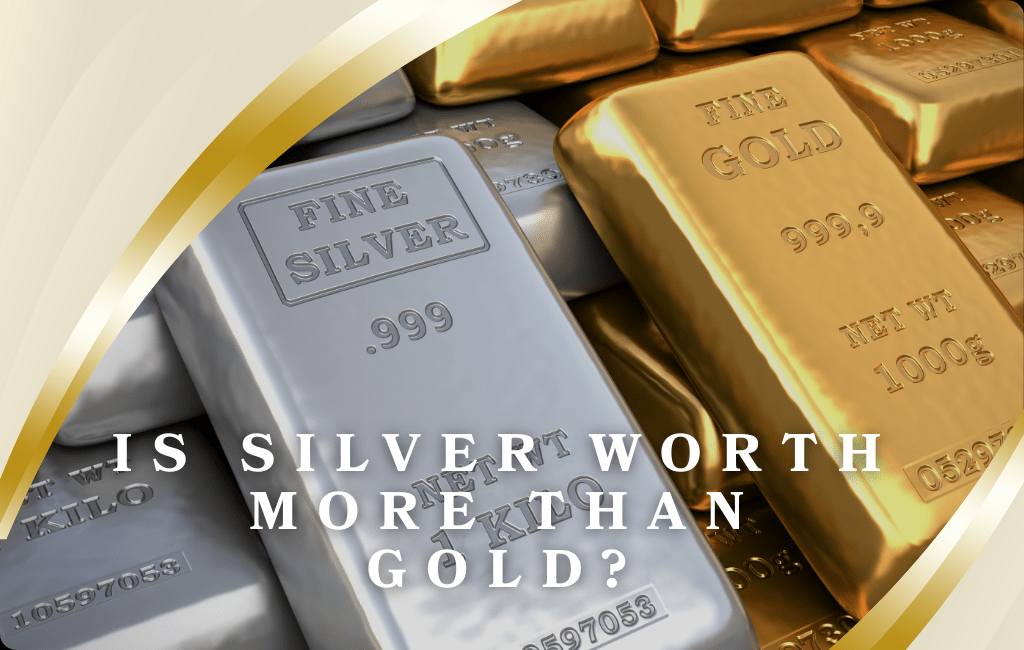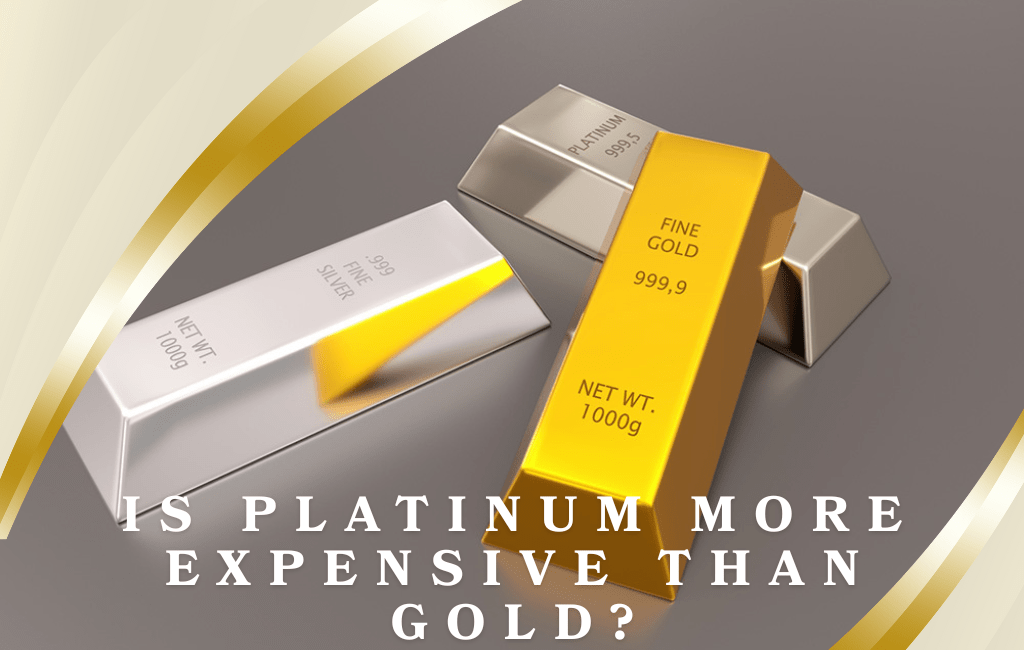


When it comes to protecting your wealth, gold and silver have long been trusted as safe-haven assets, especially when considering how much gold and silver to include in your portfolio. These precious metals have a reputation for maintaining value through inflation, market crashes, and economic uncertainty, making them a wise choice alongside stocks and bonds, particularly when evaluating the price of gold. But when you decide to invest in them, one question naturally arises: how much gold versus silver should you actually own to meet your financial goals, considering the gold-silver ratio?
Let’s explore the ideal balance between these two metals, how they perform in different market conditions, and how they can help strengthen your investment portfolio.
Why Precious Metals Belong in Every Portfolio
Precious metals like gold and silver have been used for centuries as a store of value. Even as modern economies evolve, they remain a crucial part of many investment strategies, especially for those consulting with a financial advisor.
During times of economic crisis, gold and silver tend to hold — or even increase — their value when other assets like real estate or stocks falter, making them valuable assets like gold. For example, during the 2008 financial crisis and the COVID-19 pandemic, both metals performed exceptionally well compared to gold and most traditional investments.
Gold and silver aren’t just about protection, though. They’re also a smart way to diversify your portfolio, adding gold and combining both ounces of silver and ounce of gold for balanced growth. By owning assets that move differently from stocks or bonds, such as silver and gold, you reduce overall risk and gain a layer of financial security, especially during fluctuations in the spot price of gold and silver.
Gold vs Silver: How They Compare
Gold and silver often move in the same direction, but they have different characteristics that make each appealing for unique reasons. Understanding their differences can help you decide how to divide your investment between them, particularly how much physical gold and silver to hold.
Gold: The Timeless Safe Haven
Gold is prized for its stability and resistance to inflation. Because it’s less affected by industrial demand, its value is primarily driven by investor confidence and economic trends.
After the U.S. abandoned the gold standard in 1971, gold’s price became independent of the dollar — allowing it to soar whenever inflation or currency devaluation threatened the economy, reinforcing the case to buy gold. This makes gold ideal for long-term investors seeking a reliable store of value.
Silver: The Industrial Performer
Silver, on the other hand, has a dual identity as both an industrial metal and a precious metal, making it a valuable addition to your financial goals alongside gold. It’s both a precious metal and an industrial commodity. Roughly half of all silver mined today is used in industries like electronics, solar panels, and medical devices.
This means silver prices can be more volatile than gold’s — but also offer greater potential for growth. As technology advances and renewable energy expands, demand for silver could increase significantly, boosting its long-term value.
How Much Gold Should You Own?
Investment experts generally suggest dedicating 5–10% of your total portfolio to precious metals. Within that range, gold often gets the larger share due to its stability.
If your goal is wealth preservation — especially for retirement — you might allocate 6–8% of your portfolio to gold. This ensures you have a reliable hedge against inflation and currency fluctuations.
Factors to consider when deciding how much gold to buy include:
- Your overall investment goals (long-term savings vs short-term profit) will help determine how much gold or silver, including silver investments, is appropriate for your strategy.
- Current economic conditions and inflation rates can significantly influence the prices of gold and silver.
- How much liquidity you need in your portfolio can affect your decision on how much physical gold and silver to invest in.
- Your personal comfort with gold as a long-term asset can influence how much gold or silver you decide to invest in, including silver investments.
Because gold is less tied to industrial demand, it tends to maintain value even during economic slowdowns — making it ideal for conservative investors.
How Much Silver Should You Own?
Silver’s lower price point makes it more accessible than gold, allowing investors to accumulate larger quantities without major upfront costs. It’s also an excellent complement to gold in a diversified portfolio that includes physical silver.
A good rule of thumb is to allocate 2–4% of your portfolio Consider buying silver if you already hold the right amount of gold. If you’re a more aggressive investor seeking growth opportunities, you might go up to a 50/50 split between gold and silver, aligning with your financial goals.
Keep in mind that silver prices are more sensitive to industrial demand and market shifts, which is why many investors choose to buy gold as a hedge. That volatility can lead to bigger short-term swings — but also larger potential gains when industrial demand rises.
Diversifying with Both Metals
You don’t have to choose between gold and silver; you can buy gold and silver to balance your investment. In fact, owning both gold coins and silver helps balance risk and opportunity.
Gold provides stability and confidence when markets are turbulent, while silver offers growth potential as industries expand, making both silver and gold essential for diversification, especially in the context of the price of gold. This combination helps smooth out performance over time and ensures your portfolio isn’t overly dependent on any single asset like gold.
For example, if gold prices stagnate while industrial demand boosts silver, your silver holdings can offset that stagnation — and vice versa, illustrating the importance of diversification.
Safe Storage Options for Precious Metals
If you plan to purchase physical gold or silver, storing them safely is just as important as buying them. Here are a few trusted methods to invest in silver and gold.
- Bank deposit boxes can be a secure option for storing gold and silver coins. – Secure but may have limited accessibility.
- Home safes – Convenient but require solid security measures, especially if you choose to store bullion at home.
- Private storage companies can help you securely store your gold coins and silver bullion. – Professional vaults designed specifically for precious metals.
- Hidden home storage can be a practical solution for keeping your bullion safe, but it’s important to consider the security measures involved, particularly for valuable gold coins. – Suitable for small amounts of gold and silver, but always pair with insurance coverage.
Whichever option you choose, make sure your metals are insured to protect against theft or damage.
The Bottom Line: Striking the Right Balance
Both gold and silver play valuable roles in a well-diversified investment portfolio, especially when you consider how much gold and silver to include. Gold offers the security and stability of a long-trusted store of value, while silver brings the potential for higher returns through industrial demand, making the gold to silver ratio an important consideration.
For most investors, dedicating around Investing 10% of total assets to precious metals, including both gold coins and silver, can enhance your portfolio. — with gold as the majority share — provides an effective balance between safety and opportunity.
If you’re ready to start investing in gold and silver, consider setting up a plan with a financial advisor to determine how much gold and silver to purchase. Gold IRA or Precious Metals IRA Investing in precious metals, including silver coins, can help you enjoy long-term tax advantages and retirement security, especially when considering ounces of silver and gold.
Learn more about how to diversify your retirement savings with precious metals at [YourCompanyName.com], focusing on the benefits of silver coins and gold.