
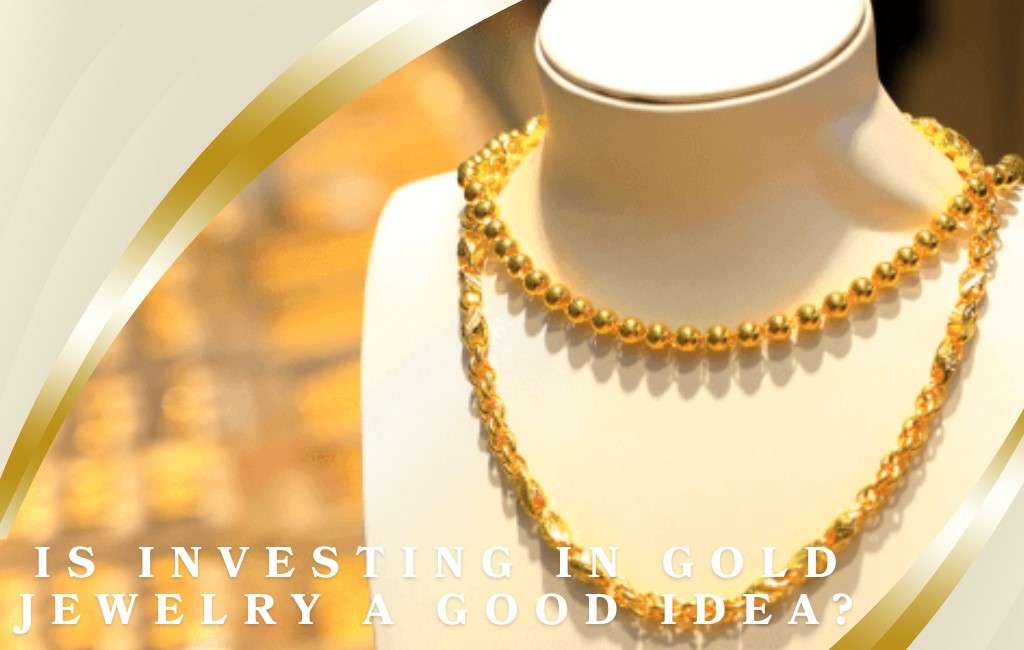
Gold has fascinated investors and collectors alike for centuries, especially those looking to buy gold as a stable asset, including gold jewelry as an investment. Its shimmering beauty, enduring value, and ability to withstand inflation make it one of the most trusted forms of gold investment options. But beyond gold bars, coins, and IRAs, there’s another form of this precious metal that’s both practical and personal—gold jewelry.
Wearing your investment sounds appealing, doesn’t it? After all, gold jewelry offers a unique way to express personal style while also serving as an asset. Gold jewelry allows you to enjoy the beauty of pure gold while holding value. Before diving in, let’s take a closer look at whether investing in gold jewelry is truly a good idea and what factors you should keep in mind regarding its purchase price and value over time.
The Allure of Gold Jewelry
Gold jewelry holds a unique position among investment options because it blends two things: tangible financial value and artistic craftsmanship, often making jewelry a good investment. Historically, families around the world have used jewelry as a form of wealth preservation—something that can be worn, admired, and passed down through generations, making fine jewelry a good investment.
Unlike gold coins or bars, jewelry isn’t just about raw metal value; it also incorporates artistic elements that can enhance its appeal as a better investment in gold as an investment. The design, artistry, and even embedded gemstones can influence its overall worth. A well-crafted necklace or intricately designed bracelet can appreciate over time, especially if it holds aesthetic or cultural significance, adding to its investment potential.
Gold’s natural malleability also makes it ideal for creating beautiful and durable pieces, ensuring its place as both an adornment and a store of value.
The Benefits of Investing in Gold Jewelry
Portfolio Diversification
Adding gold jewelry to your investment mix offers a practical way to diversify your portfolio. Gold’s value generally moves independently of traditional assets like stocks and bonds, which means it can act as a hedge during times of economic uncertainty, especially when considering the gold price.
When markets become volatile, gold jewelry—like bullion—tends to maintain its value, offering a sense of security for investors seeking balance and stability, especially as the value of gold fluctuates.
Functional and Aesthetic Appeal
One of the biggest perks of gold jewelry is that it’s wearable wealth, contributing to your overall gold investment strategy and complementing your gold bullion holdings. Unlike gold bars that sit in a vault, jewelry can be worn, appreciated, and enjoyed. A beautifully designed ring or necklace doesn’t just look good—it also carries monetary value.
You could think of it as an investment that serves dual purposes: it adds elegance to your personal style while quietly holding financial worth, similar to gold bars and coins. And if the need arises, you can always liquidate it relatively easily, making it a better investment in times of need compared to other forms of gold investing.
Sentimental and Heirloom Value
Beyond its financial potential, gold jewelry often carries emotional significance, making it a unique form of gold as an investment. Many families view it as a cherished heirloom, passed from one generation to another, reflecting the value of gold jewelry. This emotional value gives gold jewelry a special edge—it’s not just about profit but also legacy and memory.
The Drawbacks of Investing in Gold Jewelry
Wear and Tear Over Time
Unlike coins or bars stored securely, jewelry is exposed to daily wear, which can affect its gold weight. Scratches, dents, or even minor damage can reduce its weight and, consequently, its resale value, making it crucial to maintain your piece of gold jewelry in high-quality condition. Regular use can also dull its luster over time, making maintenance an ongoing cost for your gold investment and affecting its weight and purity.
Limited Liquidity
Selling gold jewelry isn’t as straightforward as trading coins or bullion. The resale market for jewelry is more subjective, often depending on the buyer’s appreciation for craftsmanship and design, which can influence the value of gold jewelry. Moreover, most buyers only pay for the gold content, disregarding the artistic markup you initially paid.
Price Fluctuations
Just like any gold-based investment, jewelry prices are influenced by market conditions, geopolitical factors, and the spot price of gold. Investors must be prepared for price swings that can affect the overall return on their purchase, particularly in relation to the gold price and the purchase price of jewelry.
Key Factors to Consider Before Investing
Buy Only from Reputable Sellers
Whether purchasing online or in person, always choose trusted and verified jewelers to ensure the value of gold jewelry. Reputable vendors will provide clear documentation, authenticity certificates, and customer reviews that reflect their credibility, ensuring you make a wise purchase gold decision. Checking consumer review sites like Trustpilot or Consumer Affairs can help narrow your choices when looking for fine jewelry pieces.
Verify Quality and Hallmarking
Authenticity matters in the world of gold investing, as it directly impacts gold’s worth. Always check for hallmarking—a certification that indicates the purity, origin, and manufacturer of the jewelry, ensuring you are buying high-quality fine jewelry. This stamp is crucial when it comes time to sell your gold pieces or appraise your investment.
Understand Gold Purity
Jewelry is typically made from 22-carat or 24-carat gold, with 24k being the purest form of gold. While 22-carat gold (91.6% pure) is more durable and suited for intricate designs, 24-carat gold is purer but softer, representing the highest quality of physical gold. Knowing the difference in karat, especially when considering 18k options, helps you assess both the craftsmanship and the investment potential of your jewellery pieces.
Assess Risk and Security
Unlike stored bullion, jewelry carries a higher risk of loss or theft since it’s often worn or displayed. Before investing heavily, evaluate your comfort level with that risk and consider insurance options for high-value pieces.
Should You Invest in Gold Jewelry?
Gold jewelry can be a smart addition to an investment portfolio for the right person, particularly those interested in jewelry as an investment. It offers beauty, emotional value, and tangible security in uncertain economic times, making it a valuable gold investment that can protect your investment. However, it’s not without its downsides—like wear, lower liquidity, and potential resale challenges.
If you’re already holding other gold assets such as coins, bars, or ETFs, adding jewelry can help diversify your holdings further. But if you’re a beginner looking to start with precious metals, traditional bullion might be a more straightforward option compared to purchasing gold jewelry.
Final Thoughts
Investing in gold jewelry is about more than profit—it’s about combining financial prudence with personal expression, making it a compelling jewelry as an investment opportunity that rivals traditional gold bullion. As long as you buy from reputable dealers, verify purity, and understand the risks, it can be a rewarding and beautiful gold investment choice.
If you’re ready to explore more ways to invest in gold—whether through jewelry, coins, or Gold IRAs—check out our guide to the best precious metals companies to help you get started on your investment journey.