
Thinking about adding silver to your retirement account can feel a little overwhelming—especially when terms like IRA approved silver start popping up. At its core, it simply means choosing silver products that meet the strict standards required to be held in a self-directed IRA. Before jumping in, it’s important to know what qualifies, why it matters, and how it could fit into your long-term retirement strategy.
What is IRA Approved Silver?
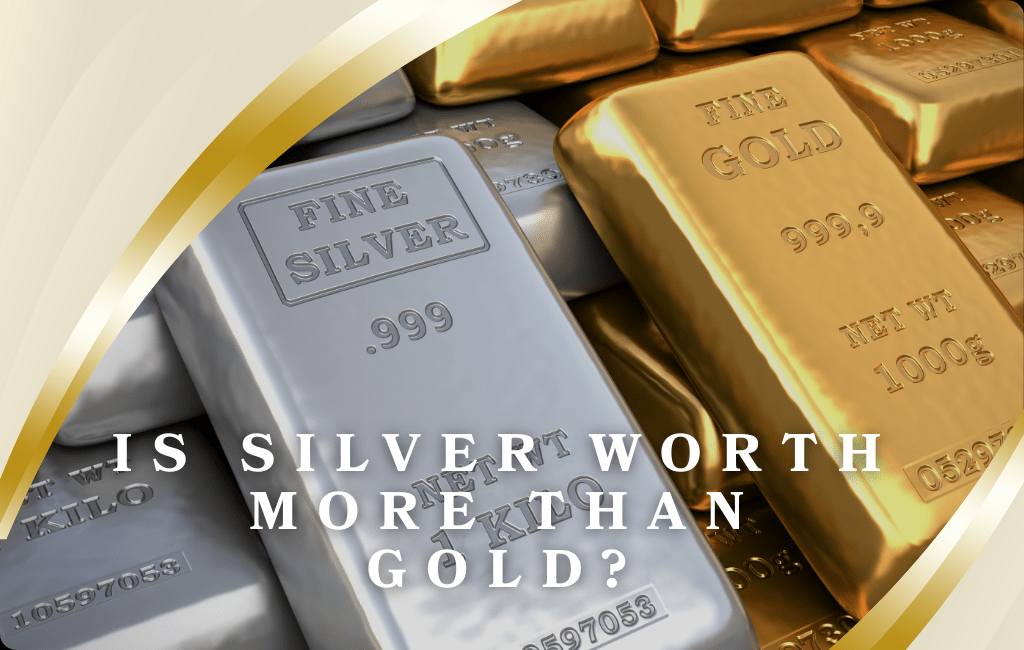
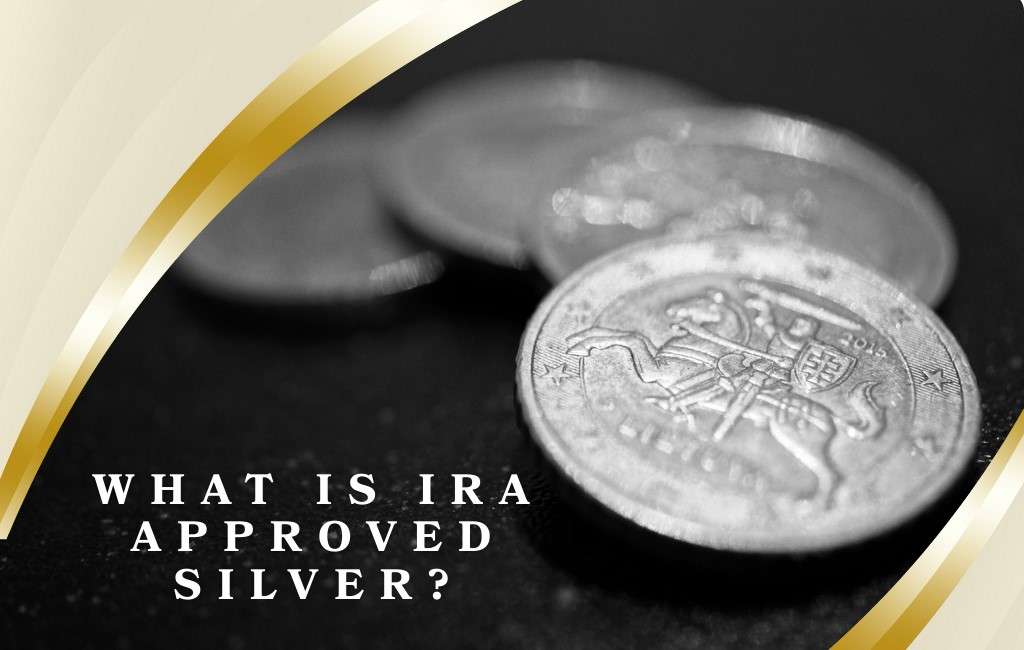
IRA approved silver refers to physical silver—such as coins or bullion bars—that meets the IRS’s purity and eligibility standards for inclusion in a self-directed individual retirement account (IRA). Typically, this means silver that is at least 99.9% pure and produced by an approved mint or refiner. These products are specifically authorized to be held in an IRA as part of a retirement investment strategy.
Qualities of IRA Approved Silver
Not all silver products can be placed in a retirement account. To qualify as IRA approved silver, certain standards and guidelines must be met. Here are the key qualities to look for:
- Purity requirement – Silver must generally be 99.9% pure (also known as .999 fine silver) to qualify for inclusion in a precious metal IRA.
- Approved forms – Only certain coins and bars are eligible, such as American Silver Eagles, Australian Silver Kangaroos, or silver bullion bars from recognized refiners.
- IRA-approved mints – The silver must come from a government mint or an accredited refiner that meets IRS standards.
- Uncirculated condition – Coins and bars must be in new, uncirculated, or investment-grade condition to ensure long-term value.
- Storage requirement – Approved silver must be held in an IRS-approved depository, not at home, to maintain compliance.
How to Check for Counterfeit Silver
When investing in physical silver for your IRA or portfolio, it’s important to ensure the products are genuine. Counterfeit silver can look convincing, but there are reliable ways to spot the difference:
- Weight and dimensions – Authentic silver coins and bars have precise weight and size; any deviation may indicate a fake.
- Magnet test – Silver is not magnetic, so if a coin or bar sticks to a magnet, it’s likely counterfeit.
- Sound test – Real silver produces a distinct, high-pitched ringing sound when tapped, unlike the dull tone of fake metals.
- Visual inspection – Look for sharp details, proper mint markings, and smooth edges; poor-quality designs are often a red flag.
- Professional verification – Using a reputable dealer or having silver tested with specialized equipment (like an XRF analyzer) provides the most reliable confirmation.
How to Properly Invest in Silver
Investing in silver can be a smart way to diversify your retirement portfolio, especially when choosing IRA approved silver that meets IRS standards. Here’s a step-by-step look at how to do it wisely:
1. Decide on the Type of IRA
Choose between a traditional IRA, Roth IRA, or a self-directed IRA. If you want to hold physical silver, a self-directed IRA is required since it allows alternative assets like silver bullion and coins.
2. Select an IRA Custodian
Work with a reputable IRA custodian who specializes in precious metals. They’ll help set up your account, guide you on approved silver products, and ensure IRS compliance.
3. Choose IRA Approved Silver Products
Focus on coins and bars that meet the 99.9% purity requirement. Popular choices include American Silver Eagles or IRA-approved silver bars from trusted mints. Avoid collectible or numismatic coins, as they don’t qualify.
4. Arrange for Secure Storage
All silver held in an IRA must be stored in an approved depository. This protects your investment and keeps your account in good standing with IRS rules.
5. Monitor the Price of Silver and Market Trends
Keep track of silver’s market value and economic conditions. This helps you decide when to buy more or hold back, maximizing the growth potential of your retirement account.
6. Diversify with Other Precious Metals
While silver is a solid choice, many investors also include gold or other precious metals in their IRAs for added stability and balance.
Different IRA Approved Silver Assets
When exploring silver for your retirement account, you’ll find several IRA approved options to choose from. Here are the most common assets:
- American Silver Eagles – The only silver bullion coin produced by the U.S. Mint and widely accepted in IRAs.
- Australian Silver Kangaroos – Popular IRA eligible coins from the Perth Mint, known for high purity.
- Mexican Silver Libertads – Recognized globally and often included in self-directed IRAs.
- Silver bullion bars – Available in various sizes from accredited refiners, meeting the .999 purity requirement.
- Other IRA-approved silver coins – Certain government-issued coins that meet IRS standards for purity and production.
Final Thoughts
Adding IRA approved silver to your retirement account can be a powerful way to protect your wealth, diversify your portfolio, and hold tangible assets with lasting value. By understanding what qualifies, how to spot genuine products, and the proper steps to invest, you’ll be better prepared to make confident choices for your financial future.
If you’re ready to take the next step, explore trusted silver IRA options here and start building a retirement strategy that shines.
Frequently Asked Questions
Can I add silver I already own to my IRA?
No. The IRS does not allow individuals to transfer personal silver coins or bullion they already own into a retirement account. All IRA approved silver must be purchased through your IRA custodian and stored in an approved depository to meet compliance requirements.
What are the tax benefits of holding silver in an IRA?
Investing in silver through an IRA offers the same tax advantages as other retirement accounts. With a traditional IRA, your contributions may be tax-deductible, and gains grow tax-deferred until withdrawal. With a Roth IRA, contributions are made with after-tax dollars, but qualified withdrawals in retirement are tax-free.
How does silver in an IRA compare to holding silver at home?
While both options give you exposure to physical silver, holding silver within an IRA provides tax benefits and long-term retirement growth potential. However, IRA rules require that your silver be stored in an approved depository—not at home—ensuring greater security and compliance with IRS regulations.
Are there fees involved with a silver IRA?
Yes. Silver IRAs often involve setup fees, annual custodian fees, storage costs, and sometimes transaction fees. These vary depending on the custodian and depository you choose, so it’s important to compare options before opening an account.
Can I liquidate my silver IRA holdings easily?
Yes. You can sell your silver holdings through your IRA custodian when you want to take profits or need to make withdrawals. Some custodians also allow you to take physical delivery of your silver, though this may have tax implications depending on your account type.
Is investing in silver risk-free?
No investment is completely risk-free. While silver is a tangible asset that can act as a hedge against inflation and market volatility, its price can fluctuate based on supply, demand, and economic conditions. Diversifying with gold, other precious metals, or traditional assets can help balance the risk.